
What It’s Actually Like to Be a Body Contouring Trainer
Updated: Sep 1
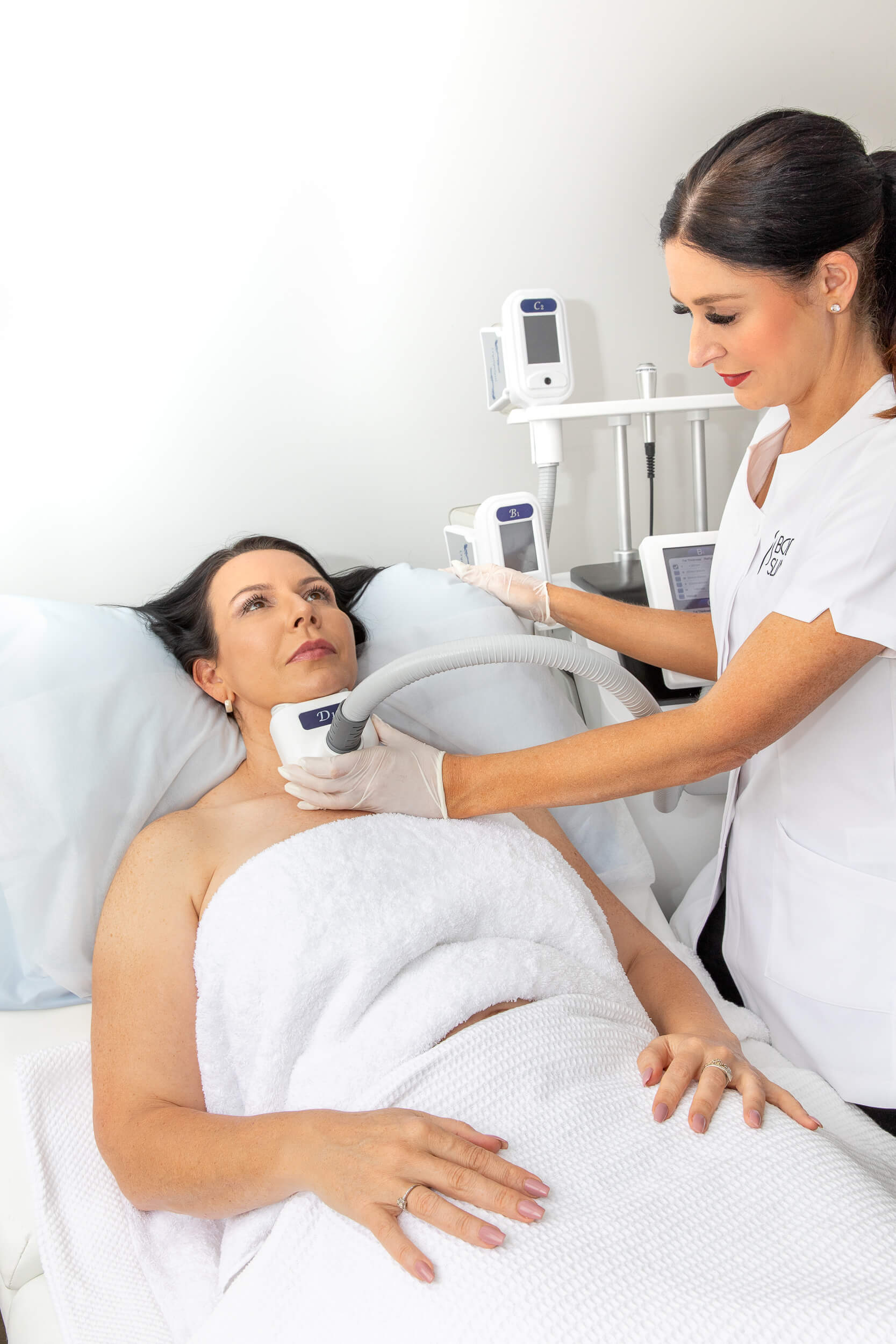
Everyone talks about becoming a trainer — but no one really talks about what it actually looks like day to day.
Because it’s not just “teach a course and you’re done.”

Being a body contouring trainer means stepping into a completely different role in your business. You’re no longer just focused on clients — you’re guiding people, answering questions, building confidence, and helping others succeed.
You become the person your students rely on.
And that means communication matters. Structure matters. The way you explain things matters.
It’s not just about knowledge — it’s about delivery.
You’re also building more than just a course. You’re building an experience. Your videos, your materials, your support, your presence — all of it shapes how your students learn from you and how they perceive you as a trainer.
And here’s something most people don’t realise — the best trainers are always learning too. They’re refining how they teach, improving their systems, and staying up to date with the industry so they can give their students the best possible experience.
Is it always easy? No.
But is it worth it? Absolutely.
Because this is where your business expands. This is where you create more flexibility, more income streams, and more impact.
And the best part?
Watching your students succeed. Seeing them build confidence, launch their services, and create their own results — that’s what makes stepping into this role so powerful.
If becoming a trainer has been sitting in the back of your mind, that’s not random.
That’s your next level.
Ready to step into your role as a trainer and learn exactly how to build your own academy? Explore the full course here
About the Author
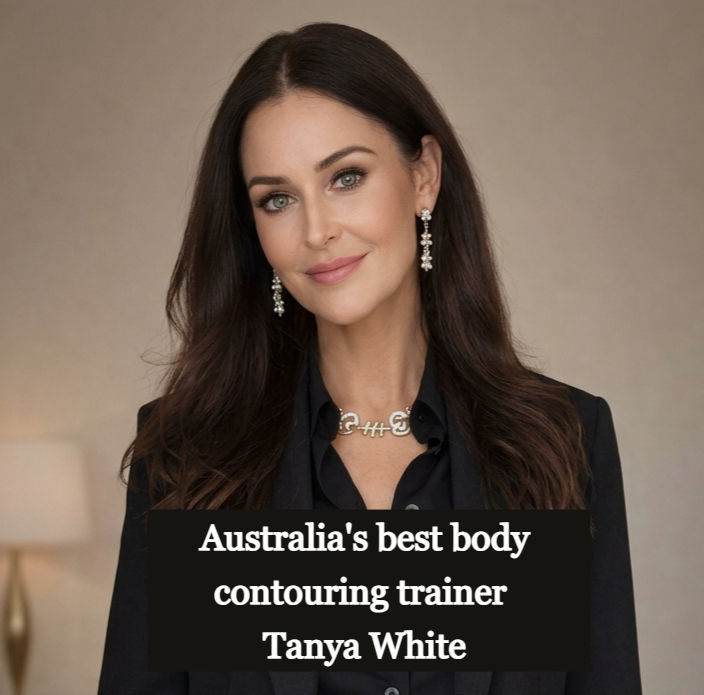
Tanya White 💕 Bodi Slim Owner | Cert IV Accredited Trainer 🎓 | Creator of Australia’s 1st Trademarked technique ContourIQ™️ | Body Sculpting Expert & Mentor.
Tanya is one of Australia’s leading body contouring educators, known for her real-world, supportive, and modern approach to training.
Disclaimer: This content is for general educational purposes only. Laws, regulations, treatment requirements and industry standards vary worldwide. It is your responsibility to conduct your own due diligence and ensure any treatment, machine, training, business practice or claim is appropriate, compliant and lawful in your location.


Comments