
Comprehensive Body Contouring Courses for Professionals
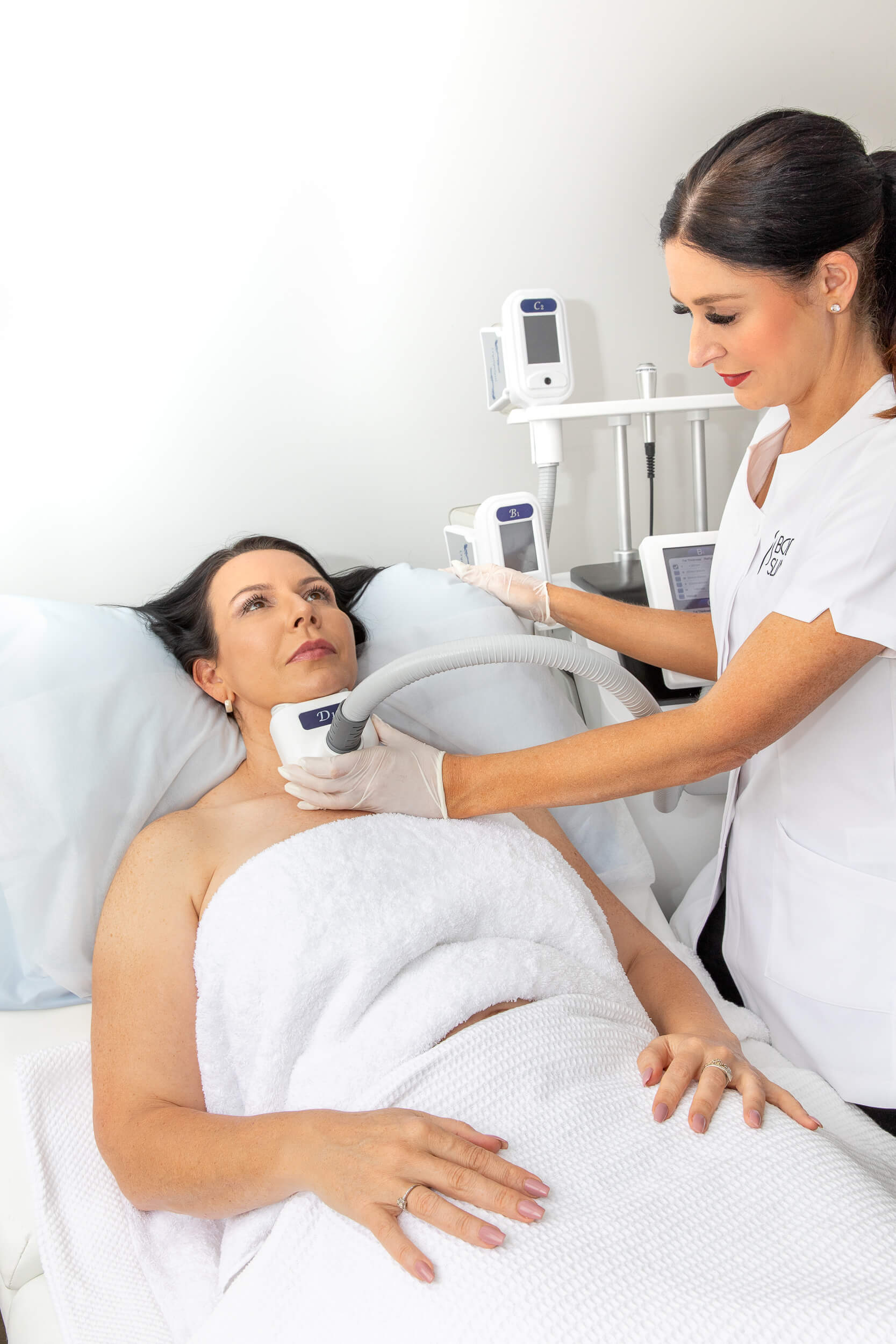
Body contouring has become a highly sought-after skill in the aesthetic and wellness industries. Professionals looking to expand their expertise and offer advanced treatments to clients can benefit greatly from specialized training. This article explores comprehensive body contouring programs designed for professionals who want to master the latest techniques and technologies in this evolving field.
Understanding Body Contouring Programs
Body contouring programs provide in-depth education on non-invasive and minimally invasive procedures aimed at reshaping and improving the body's appearance. These programs cover a variety of treatment methods such as cryolipolysis, radiofrequency, ultrasound cavitation, and laser therapy.
Participants learn about the science behind fat reduction, skin tightening, and muscle toning. The curriculum often includes anatomy, patient assessment, treatment planning, and hands-on practice with state-of-the-art equipment.
Key components of body contouring programs include:
Theoretical knowledge: Understanding fat metabolism, skin physiology, and treatment mechanisms.
Practical skills: Operating contouring devices safely and effectively.
Client management: Assessing suitability, managing expectations, and post-treatment care.
Safety protocols: Recognizing contraindications and handling complications.
These programs are ideal for medical professionals, beauty therapists, and wellness practitioners aiming to enhance their service offerings.

Benefits of Enrolling in Body Contouring Programs
Enrolling in a professional body contouring program offers numerous advantages. Firstly, it equips practitioners with the latest knowledge and skills to deliver effective treatments. This leads to higher client satisfaction and retention.
Secondly, certification from a reputable program enhances credibility and marketability. Clients are more likely to trust practitioners who have undergone formal training and can demonstrate expertise.
Thirdly, these programs often provide access to cutting-edge technology and ongoing support. This ensures practitioners stay updated with industry trends and innovations.
Additional benefits include:
Increased revenue streams by offering new services.
Improved treatment outcomes through evidence-based techniques.
Networking opportunities with industry experts and peers.
Confidence in handling diverse client needs safely.
By investing in quality training, professionals can position themselves as leaders in the competitive aesthetic market.

Choosing the Right Body Contouring Program
Selecting the right program is crucial for gaining relevant skills and achieving career goals. Here are some factors to consider when choosing a body contouring course:
Accreditation and reputation: Ensure the program is recognized by industry bodies and has positive reviews.
Curriculum comprehensiveness: Look for courses covering both theory and practical application.
Trainer expertise: Experienced instructors with clinical backgrounds provide valuable insights.
Hands-on training: Practical sessions with real equipment enhance learning.
Location and flexibility: Consider programs that offer convenient training locations or online components.
Post-course support: Access to resources, mentorship, and updates after completion.
For example, body contouring courses offered by established providers often meet these criteria, ensuring a well-rounded education.
Essential Techniques Covered in Body Contouring Programs
Body contouring programs teach a variety of techniques tailored to different client needs. Understanding these methods helps practitioners customize treatments effectively.
Cryolipolysis: Uses controlled cooling to freeze and eliminate fat cells without surgery.
Radiofrequency (RF): Employs heat energy to tighten skin and stimulate collagen production.
Ultrasound Cavitation: Breaks down fat cells using ultrasonic waves for body slimming.
Laser Lipolysis: Uses laser energy to liquefy fat for easier removal.
Electromagnetic Muscle Stimulation: Enhances muscle tone and definition.
Each technique has specific indications, benefits, and limitations. Training includes how to select the appropriate method based on client goals, body areas, and health status.

Maximising Career Opportunities with Body Contouring Skills
Acquiring body contouring skills opens up diverse career paths. Professionals can work in medical spas, dermatology clinics, cosmetic surgery centres, or start their own practice.
To maximise career opportunities:
Build a strong portfolio: Document before-and-after results to showcase your expertise.
Stay updated: Attend workshops and seminars to learn new technologies.
Market your services: Use social media and local advertising to attract clients.
Offer personalised consultations: Tailor treatments to individual needs for better outcomes.
Maintain high standards: Follow safety guidelines and ethical practices to build trust.
By continuously improving and promoting their skills, practitioners can establish a loyal client base and achieve long-term success.
Body contouring programs provide a valuable pathway for professionals seeking to enhance their skills and expand their service offerings. With comprehensive training, practical experience, and ongoing support, practitioners can confidently deliver effective treatments that meet the growing demand for body sculpting solutions. Whether you are starting or advancing your career, investing in quality education is a crucial step toward excellence in this dynamic field.
Disclaimer: This content is for general educational purposes only. Laws, regulations, treatment requirements and industry standards vary worldwide. It is your responsibility to conduct your own due diligence and ensure any treatment, machine, training, business practice or claim is appropriate, compliant and lawful in your location.


Comments