
Professional Certification for Body Contouring Specialists
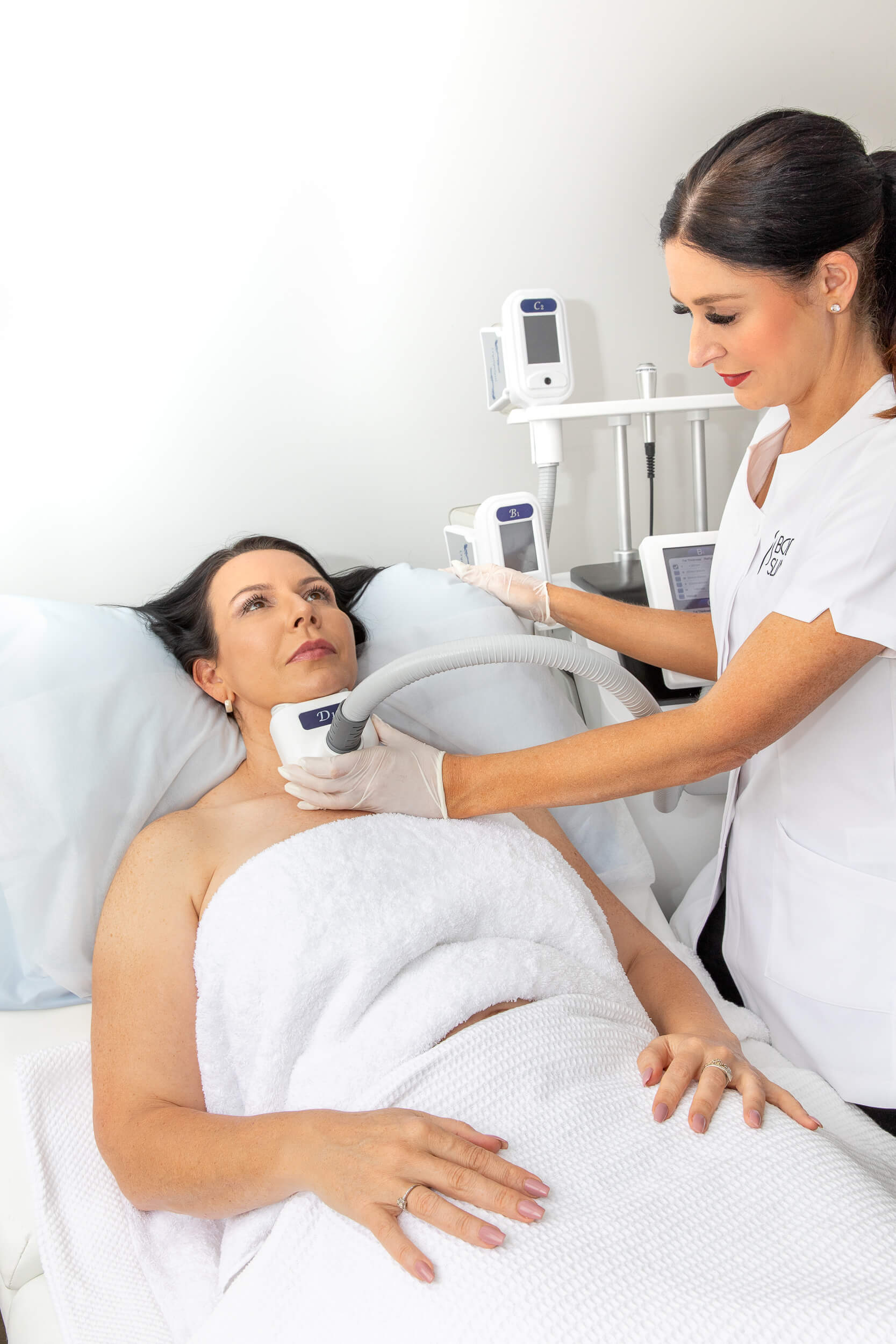
Body contouring is a rapidly growing field in the aesthetic and wellness industry. As demand for non-invasive and minimally invasive body shaping treatments increases, so does the need for qualified professionals who can deliver safe and effective results. Obtaining a professional certification for body contouring is essential for practitioners who want to establish credibility, enhance their skills, and provide the highest standard of care to their clients.
Understanding Certification for Body Contouring
Certification for body contouring is a formal recognition that a practitioner has completed specialized training and demonstrated competence in body contouring techniques. This certification ensures that the specialist understands the anatomy, technology, safety protocols, and treatment plans necessary to achieve optimal outcomes.
Why Certification Matters
Safety: Certified specialists are trained to minimize risks and manage complications.
Effectiveness: Proper technique and knowledge lead to better client satisfaction.
Professionalism: Certification enhances reputation and trustworthiness.
Legal Compliance: Many regions require certification to perform certain procedures legally.
What Does the Training Include?
Training programs typically cover:
Anatomy and physiology related to fat distribution and skin elasticity.
Different body contouring technologies such as cryolipolysis, radiofrequency, ultrasound, and laser treatments.
Client assessment and treatment planning.
Hands-on practice with equipment.
Post-treatment care and managing side effects.
Business and ethical considerations.

How to Obtain Certification for Body Contouring
To become certified, candidates usually need to complete a recognized training course offered by accredited institutions or professional bodies. These courses can vary in length from a few days to several weeks, depending on the depth of training.
Steps to Certification
Research Accredited Programs: Look for courses that are well-reviewed and recognized in the industry.
Meet Prerequisites: Some programs require a background in healthcare or aesthetics.
Complete Theoretical and Practical Training: Engage in both classroom learning and hands-on sessions.
Pass Assessments: Demonstrate knowledge and skills through written exams and practical evaluations.
Receive Certification: Obtain official documentation confirming your qualification.
Maintaining Certification
Many certifications require ongoing education to stay current with new technologies and techniques. This may involve attending workshops, seminars, or refresher courses.
For those interested in pursuing body contouring certification, it is important to choose a program that offers comprehensive training and support.

Is Body Contouring FDA Approved?
Understanding the regulatory status of body contouring treatments is crucial for both practitioners and clients. The U.S. Food and Drug Administration (FDA) has approved several body contouring devices and procedures, which means they have been evaluated for safety and efficacy.
FDA-Approved Technologies
Cryolipolysis (Fat Freezing): Devices like CoolSculpting have FDA clearance for fat reduction in specific areas.
Radiofrequency Devices: Approved for skin tightening and cellulite reduction.
Ultrasound-Based Treatments: Used for targeted fat reduction.
Laser Lipolysis: Approved for non-invasive fat removal.
Importance of Using FDA-Approved Devices
Ensures treatments meet safety standards.
Reduces risk of adverse effects.
Builds client confidence in the procedure.
What About Non-FDA Approved Treatments?
Some body contouring methods may not have FDA approval but are still used in other countries or under clinical trials. It is essential for specialists to stay informed about the regulatory status of the devices they use and to communicate transparently with clients.

Benefits of Professional Certification for Practitioners
Obtaining certification offers numerous advantages for body contouring specialists:
Enhanced Knowledge and Skills: Gain in-depth understanding of anatomy, technology, and treatment protocols.
Increased Client Trust: Certification signals professionalism and commitment to quality.
Competitive Edge: Stand out in a crowded market by showcasing your credentials.
Legal Protection: Certification can help meet regulatory requirements and reduce liability.
Networking Opportunities: Connect with other professionals and industry leaders.
Real-World Example
A practitioner who completed a certified training program reported a 30% increase in client bookings within six months. Clients appreciated the specialist’s expertise and confidence, which translated into positive reviews and referrals.
Tips for Choosing the Right Certification Program
Selecting the right certification program is critical for your success as a body contouring specialist. Here are some practical tips:
Verify Accreditation: Ensure the program is recognized by reputable industry bodies.
Check Curriculum: Look for comprehensive coverage of theory and practical skills.
Instructor Expertise: Learn from experienced professionals with proven track records.
Hands-On Training: Prioritize programs that offer real equipment practice.
Post-Certification Support: Choose providers that offer ongoing education and resources.
Location and Format: Consider whether you prefer in-person or online training, and check available locations.
By carefully evaluating these factors, you can select a program that aligns with your career goals and learning style.
Continuing Education and Career Growth
Certification is just the beginning of a lifelong learning journey. The body contouring field is constantly evolving with new technologies and techniques. Staying updated through continuing education is essential.
Ways to Continue Learning
Attend industry conferences and workshops.
Subscribe to professional journals and newsletters.
Participate in advanced training courses.
Join professional associations and online forums.
Career Advancement Opportunities
With certification and ongoing education, specialists can expand their services, open their own clinics, or become trainers themselves. The possibilities for growth are vast in this dynamic industry.
Professional certification for body contouring specialists is a vital step toward delivering safe, effective, and high-quality treatments. By investing in proper training and certification, practitioners not only enhance their skills but also build trust and credibility with clients. Whether you are starting your career or looking to advance, obtaining a recognized certification is a smart and rewarding choice.
Disclaimer: This content is for general educational purposes only. Laws, regulations, treatment requirements and industry standards vary worldwide. It is your responsibility to conduct your own due diligence and ensure any treatment, machine, training, business practice or claim is appropriate, compliant and lawful in your location.


Comments